
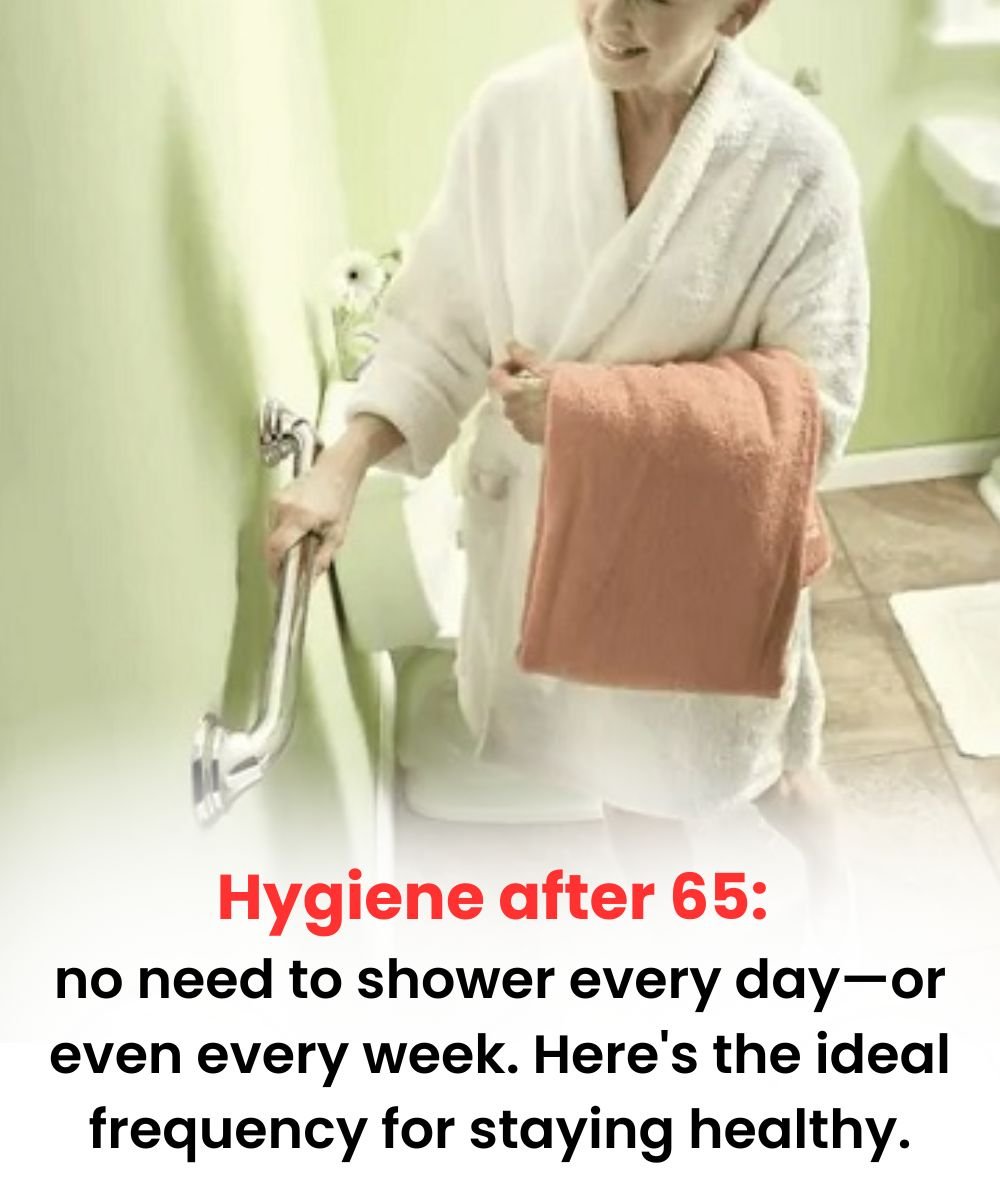
Overwashing disrupts healthy bacteria
Our skin is home to billions of beneficial bacteria that help protect us from harmful germs. Daily showering, particularly with antibacterial or heavily scented soaps, can disturb this balance. When the healthy bacteria are washed away too frequently, the skin becomes more vulnerable to rashes, fungal infections, and inflammation.
Doctors now recognize that being “too clean” can actually weaken the skin’s natural defenses—especially in seniors.
Increased risk of falls and fatigue
Showering isn’t just about hygiene; it’s also a physical activity. For older adults, stepping in and out of a slippery shower, standing for long periods, and dealing with hot water can increase the risk of dizziness, fatigue, and falls.
Falls are one of the leading causes of injury among seniors. Daily showers multiply this risk unnecessarily, particularly for those with balance issues, arthritis, low blood pressure, or reduced muscle strength.
Clean doesn’t mean daily bathing
Here’s an important truth: staying clean does not require showering every day.
Most dermatologists and geriatric specialists agree that for adults over 65, showering two to three times a week is usually enough—unless there is heavy sweating, incontinence, or a medical condition that requires more frequent washing.
On non-shower days, simple hygiene practices are often sufficient:
Washing the face, hands, underarms, and groin
Changing clothes regularly
Using a warm, damp washcloth for targeted cleaning
This approach keeps the body clean without damaging the skin.
Hot water and soap matter
When seniors do shower, how they shower matters just as much as how often.
Hot water may feel comforting, but it dries out aging skin quickly. Lukewarm water is far gentler. Mild, fragrance-free soaps or soap substitutes are also recommended, as they clean without stripping natural oils.
Applying moisturizer immediately after showering—while the skin is still slightly damp—can help lock in hydration and prevent dryness.
Listening to your body matters most
There is no single rule that fits everyone. Some seniors may feel comfortable showering more often, while others feel better with fewer showers. What matters most is paying attention to how your skin and body respond.
If daily showers leave your skin itchy, flaky, or irritated, that’s a sign to slow down. Cleanliness should support health—not undermine it.
The takeaway
After 65, daily showers are not a necessity—and for many, they may do more harm than good. Fewer showers, combined with gentle hygiene habits, can protect aging skin, reduce fall risk, and improve overall comfort.
Sometimes, healthier living means unlearning old habits and choosing what truly works for your body today.